
The principle of LASIK for eye surgery
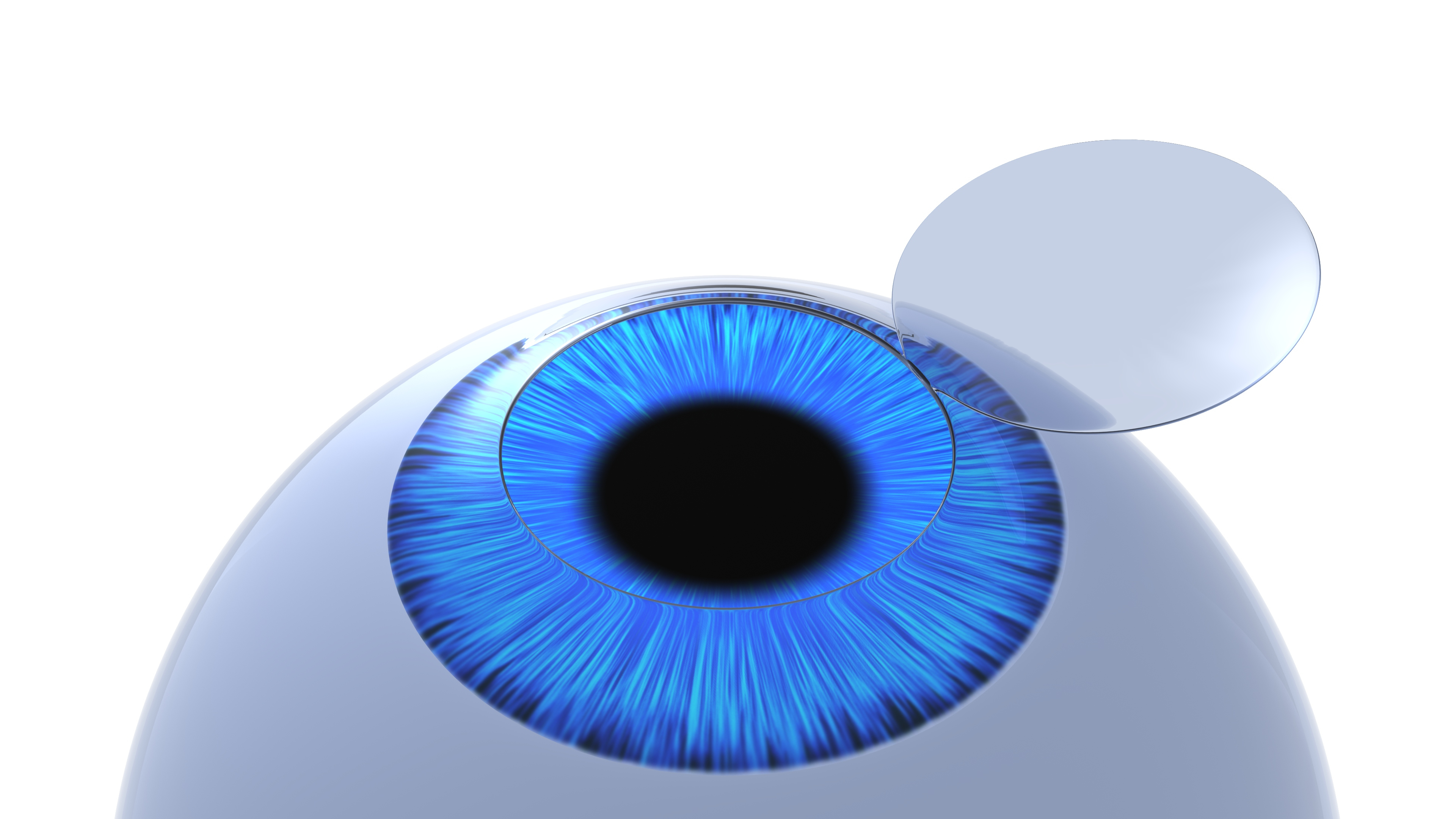
The term LASIK is an acronym for Laser in Situ Keratomileusis. Keratomileusis refers to reshaping the cornea from within, meaning within the corneal stroma.
The structure of the cornea can be compared to the skin. It is made up of two main layers: the epithelium on the surface (equivalent to the epidermis of the skin) and the stroma beneath (similar to the dermis).
The principle of refractive correction with LASIK is similar to PRK, as both techniques use the same excimer laser to modify the curvature of the cornea and change its optical power. The main difference between PRK and LASIK is the creation of a corneal flap and the preservation of the epithelium. A flap consisting of the epithelium and part of the stroma is created, lifted, and then repositioned. The laser correction is delivered to the stroma at a deeper level compared with PRK.
Preserving the epithelium allows for faster recovery and less pain compared with PRK.
How LASIK eye surgery is performed
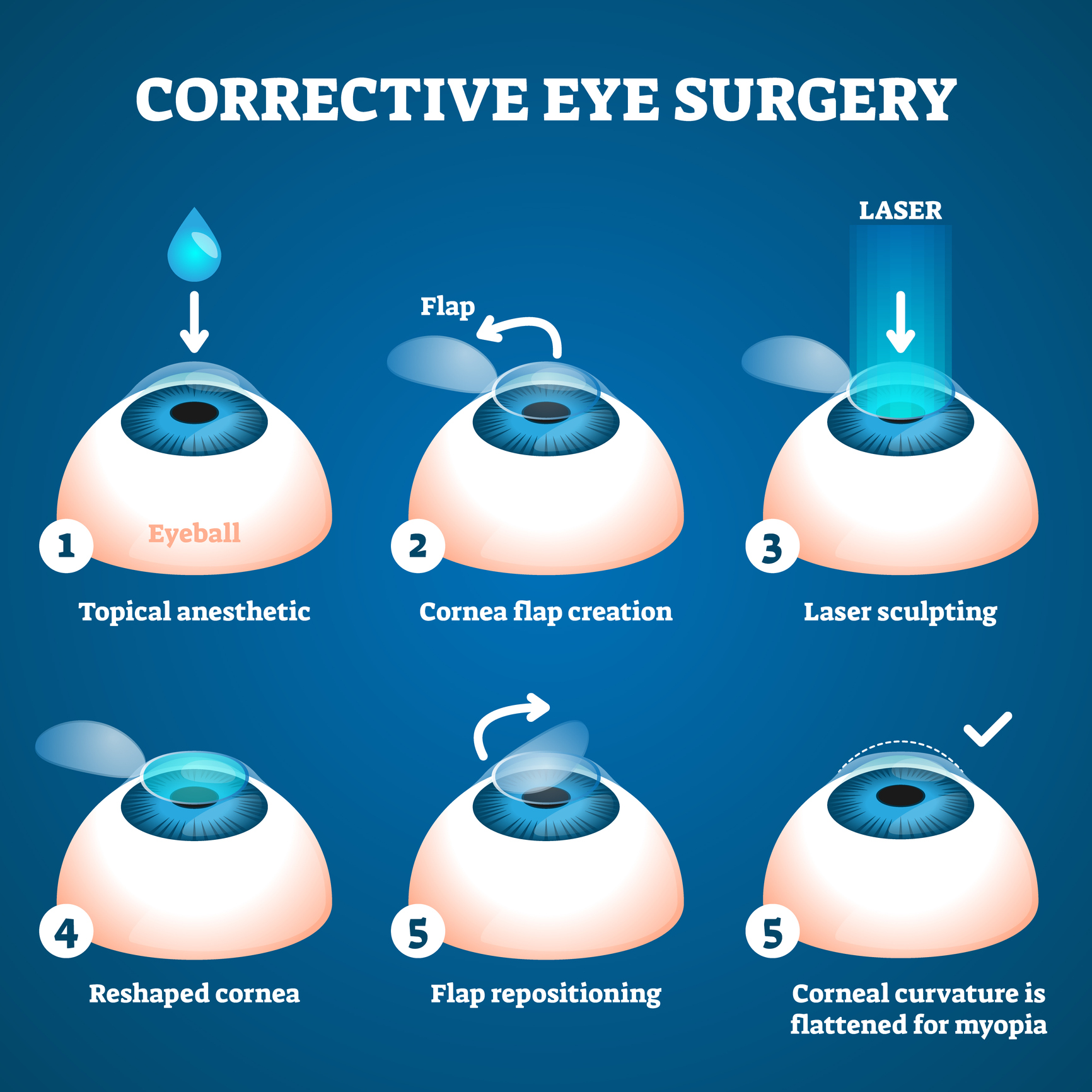
Completely painless, LASIK is quick and takes about fifteen minutes per eye.
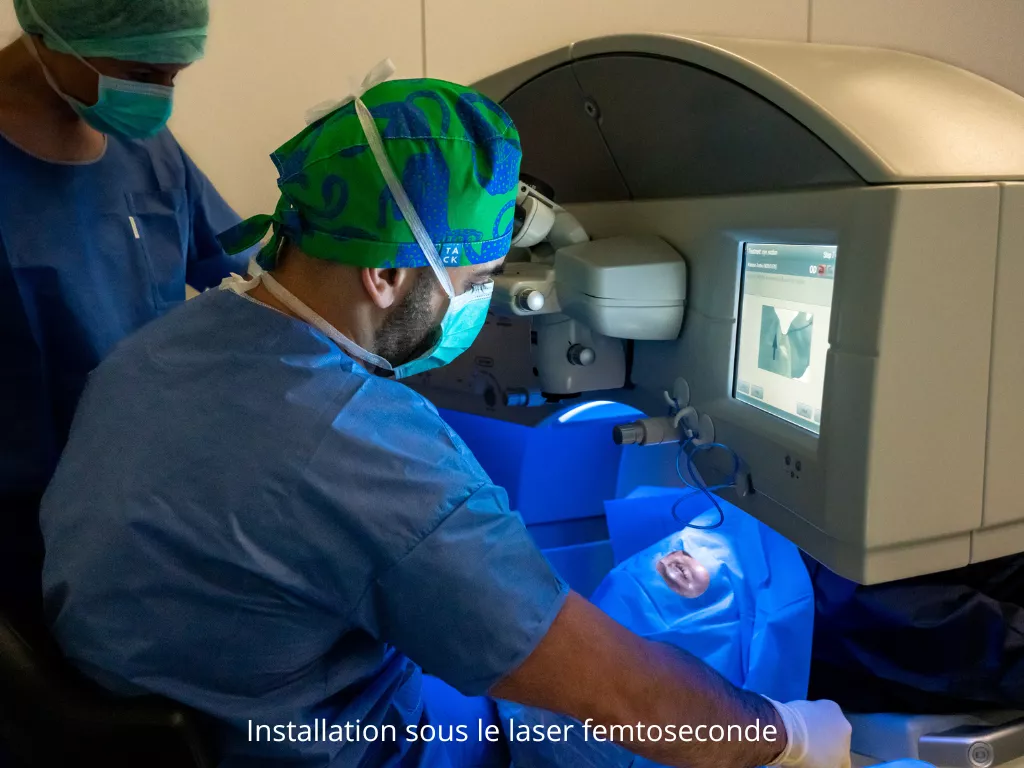
The eye is anesthetized with drops and an eyelid speculum is placed to prevent blinking during the procedure.
LASIK involves three main steps: creation of the flap, laser correction (photoablation), and finally repositioning of the flap. The first step is performed using a femtosecond laser, while the following steps are carried out with an excimer laser (the same one used for PRK).
Creation of the flap
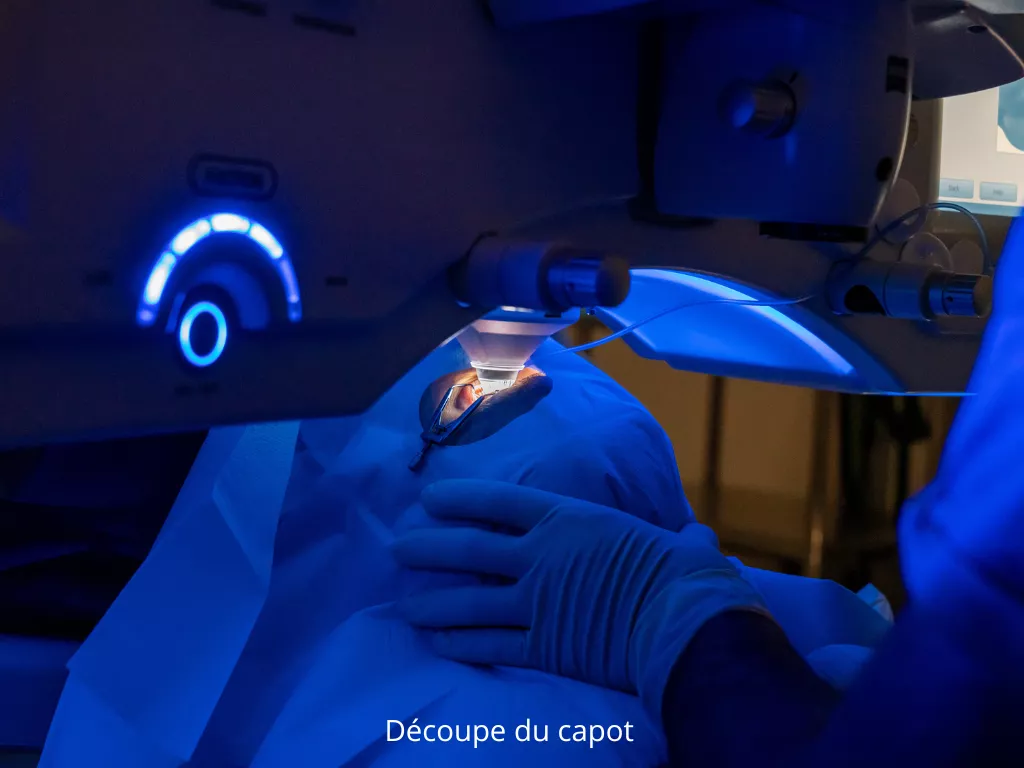
This step is specific to LASIK. It consists of creating a circular flap in the cornea using a femtosecond laser. Historically, this cut was performed with a mechanical blade (a microkeratome).
Lifting of the flap and laser correction
The flap is lifted and folded back but remains attached to the rest of the cornea thanks to a hinge. The patient is asked to fixate on a light target while the laser delivers the correction of the visual defect.
Completely painless, this step is performed under the control of an “eye tracker.” This system tracks the eye during surgery and instantly and automatically directs the laser beam to its target in case of eye movement. It ensures proper centration of the treatment, which is essential for accurate correction.
- Repositioning of the flap on the reshaped corneal stroma.
Once repositioned, the flap conforms to the shape (curvature) of the stroma that has just been reshaped by the excimer laser. It adheres thanks to a pressure gradient and will be sealed by epithelial healing at the edge of the incision.
The patient can leave the surgical center immediately wearing protective sunglasses.
The steps of LASIK
Post-operative recovery after LASIK
Post-operative discomfort may occur after the procedure and lasts less than 24 hours. It consists of a gritty sensation in the eyes and sensitivity to light. The use of artificial tears helps relieve the discomfort.
Although vision improves immediately, it may be slightly hazy for 24 to 48 hours. Visual recovery is very rapid, and most patients see clearly the very next day.
Post-operative treatment consists of using anti-inflammatory and antibiotic eye drops for three weeks.
Returning to work or sports activities is possible after one week. Eye makeup and swimming are allowed after 15 days.
The eyes must be protected from UV rays, and sunglasses should be worn outdoors (in sunny conditions) during the first month.
Vision continues to improve over the first few weeks and stabilizes after one month.
Side effects and complications related to LASIK
Side effects are common to both PRK and LASIK. They are rare and most often temporary:
- Dry eye requiring the use of artificial tears. Dry eye is more pronounced after LASIK due to the creation of the corneal flap.
- The perception of light halos, a tendency to glare, and discomfort with night vision. These symptoms generally regress during the first few months.
Complications after LASIK are very rare but may nevertheless require re-intervention and lead to a reduction in visual acuity:
- Infection or inflammation. Exceptional, they are prevented by the post-operative use of antibiotic and anti-inflammatory eye drops.
- An abnormality in flap creation that may lead to re-intervention, immediate or delayed conversion to PRK, or even abstention.
- Secondary displacement of the flap requiring urgent repositioning. Spontaneous displacement is impossible; this complication results either from eye rubbing in the hours following the procedure or from trauma. Eyes must absolutely not be rubbed after LASIK.
- A deformation of the cornea known as post-LASIK ectasia. Although very rare, ectasia causes irregular astigmatism and may require additional correction with glasses, contact lenses, or re-intervention.
The possibility of enhancement after LASIK
Even though results are excellent, they can never be guaranteed 100% (due to the healing process). However, a surgical enhancement can be performed after a few months if necessary.
Although the effects are stable over time, a re-intervention is possible even years after the procedure (in case of regression of the correction or the onset of presbyopia).
Let’s talk together about LASIK surgery
This procedure can be explained in a simple and personalized way. If you are considering laser eye surgery, I suggest discussing it during an initial consultation.